Top Signs Your iPhone Needs Repair: Never Overlook These Warning Signs!
Numerous iPhone users overlook understated signs that signal their device may need repair. Issues like a broken screen, quick battery discharge, or connection issues can often be overlooked. However, these warning signs can lead to greater issues if not addressed promptly. Recognizing the significance of these indicators is important. The following sections will outline important signs that must not be dismissed, urging users to examine their devices more carefully.
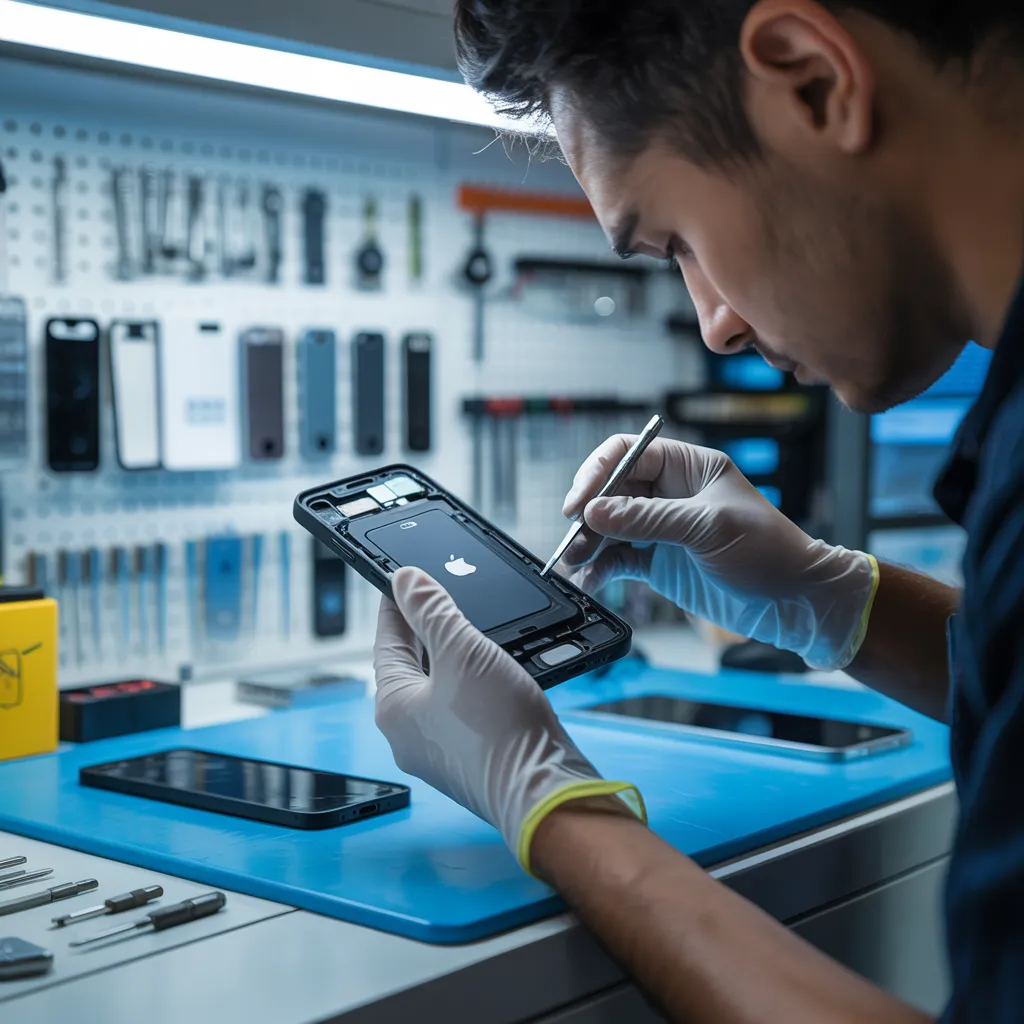
Signs of a Cracked or Damaged Screen
How does one know if their iPhone screen is cracked or damaged? Several key indicators can help identify the problem. To begin with, visible cracks or chips on the screen surface are clear signs of damage. Even small cracks can deteriorate over time, causing additional complications. Furthermore, if the touchscreen becomes unresponsive or displays erratic behavior, it may suggest internal damage beneath the glass. Color distortion or flickering images can also be a sign that the screen is compromised. In addition, users might notice a separation between the glass and the display, which can affect the phone's overall functionality. Lastly, if the device has experienced a drop or impact, it's advisable to examine the screen carefully for hidden damage. Spotting these signs early can prevent additional issues and keep the device in working condition. Immediate action may be necessary to avoid costly repairs down the line.
Common Battery Issues for iPhone Repair
Battery issues are a common concern for iPhone users, frequently appearing as accelerated battery drain, overheating while in use, or erratic charging behavior. These symptoms can considerably impact device performance and overall user experience. Resolving these issues quickly can help avoid additional damage and ensure the long-term durability of the device.
Quick Battery Discharge
When individuals detect their iPhone discharging rapidly, it often suggests deeper battery problems that require attention. This phenomenon can stem from various factors, including worn-out batteries, excessive background app activity, or software irregularities. An aging battery fails to maintain adequate charge levels, leading to faster discharge. Additionally, some apps may consume energy at higher rates, especially if they run continuously in the background. Users should also examine newly installed software updates, which can sometimes influence overall battery life. If the accelerated power loss remains after standard remedies, it is strongly suggested to seek professional repair services. Ignoring these signs may result in additional problems, making timely intervention critical to preserving the device's functionality.
Device Overheating During Operation
Overheating during use often indicates significant battery issues that warrant attention. Should an iPhone become excessively hot, it could suggest a weakening battery or internal components that are failing to perform as intended. Extreme heat can cause performance throttling, ultimately decreasing the device's capability and shortening its useful life. Individuals may experience discomfort when holding the device, particularly during resource-intensive activities such as gaming or streaming video. Persistent overheating can also lead to sudden shutdowns, significantly interfering with the device's usability. It's crucial for users to be vigilant; ignoring these symptoms may lead to irreversible damage. When an iPhone continues to overheat on a regular basis, obtaining professional repair assistance is strongly advised to keep the device secure and fully functional. Tackling battery-related concerns without delay can effectively prevent more significant problems from developing over time.
Irregular Charging Behavior
How do users recognize when their iPhone is dealing with irregular charging problems? Common signs include the device charging intermittently, requiring multiple attempts to establish a connection, or not charging at all despite being plugged in. Users might also observe that the charging indicator switches back and forth between a charging symbol and a disconnected icon. Additionally, if the battery percentage unexpectedly drops or fails to reach 100%, this may indicate a deeper issue. Physical signs, such as a damaged charging port or frayed cables, can further exacerbate the problem. Disregarding these indicators can cause more severe battery or hardware complications, making it vital for users to consult professional repair services upon observing such issues.
Fixing an Unresponsive Touchscreen
An unresponsive touchscreen can be incredibly frustrating, interrupting the smooth user experience that iPhone users anticipate. When faced with this issue, users are advised to first try a basic restart. This frequently fixes small issues impacting the touchscreen's performance. If the issue continues, checking for software updates is advisable, as Apple frequently releases patches to fix bugs.
Furthermore, removing any screen protector or case that may interfere with touch sensitivity can be a practical step. Users should also inspect the screen for damage, as cracks or chips can hinder responsiveness. There are situations where a factory reset may be required, though users should ensure their data is backed up beforehand to prevent any loss.
When these troubleshooting steps do not resolve the issue, consulting professional repair services may be the most suitable course of action. Disregarding an unresponsive touchscreen may contribute to more serious problems, thereby diminishing overall device usability and effectiveness.
Wi-Fi and Bluetooth Network Problems
Individuals may encounter other challenges aside from a non-responsive touch display, such as Wi-Fi and Bluetooth pairing difficulties. Such issues become apparent when the device struggles to connect to networks or peripherals, causing inconvenience and interruption. As an example, people could experience unstable network connections, sluggish data transmission, or an inability to locate available networks.
In certain situations, the iPhone could abruptly disconnect from wireless and Bluetooth connections, hindering functionality. This may suggest hardware deficiencies or conflicting software components.
Moreover, persistent problems despite resetting network settings or toggling airplane mode suggest a deeper concern that warrants attention. Users should also observe whether the problem is isolated to specific locations or devices, as this may help identify the source. Overlooking these network problems may result in additional difficulties down the line, making timely assessment essential for maintaining peak device performance.
When to Seek Help for Software Glitches
At what point should you consult a professional for software issues on an iPhone? Individuals should think about contacting a specialist when they encounter ongoing problems that simple troubleshooting methods cannot address. Symptoms may include constant application crashes, screens that fail to respond, or problems updating the device's operating system. Should the device display abnormal behavior, such as unexpected reboots or significant performance slowdowns, these may signal deeper software problems that require expert intervention.
In addition, if the iPhone displays error messages that are difficult to decipher or if it remains locked in a boot loop, immediate assistance is advisable. Ignoring these signs can lead to more Whitening for Sensitive Teeth significant issues, which may put your data at risk. Although certain issues might be fixed through resets or updates, consistent or severe problems indicate that a professional evaluation is necessary to reestablish proper function and make certain the device performs reliably. Prompt action can help avoid further complications and extend the device's lifespan.
Ways to Resolve iPhone Overheating
Tackling iPhone overheating issues demands a structured method to pinpoint and address the root causes. First, users should check for any resource-intensive apps running in the background. Shutting down these applications can assist in lightening the device's processing burden. Moreover, maintaining an updated software version is absolutely necessary, as updates often include performance improvements and bug fixes.
Next, users should examine the iPhone's surrounding conditions. Do not expose the iPhone to direct sunlight or store it in heated areas, as high temperatures can exacerbate overheating issues. Charging habits also matter; relying on uncertified chargers is likely to trigger overheating, so it is advisable to use genuine Apple accessories.
In addition , when overheating remains an issue after applying these solutions , users should consider resetting the device or seeking professional repair services . Failing to address recurring overheating can cause long-term hardware damage , making early intervention important for device longevity .
Red Flags: Strange Sounds or Notifications
Many iPhone owners may notice strange noises or alerts that serve as red flags indicating potential issues. These disturbances can appear as random beeping, crackling sounds during calls, or continuous notifications that are inconsistent with normal usage. These noises frequently indicate hardware problems, like speaker or microphone issues, which need to be addressed right away.
Furthermore, alerts that show up randomly or appear disconnected from any installed software may signal underlying software problems. To illustrate, frequent crash alerts or unusual warning messages can indicate corrupted files or a need for system updates. Ignoring these signs can lead to more significant problems down the line.
Common Questions and Answers
How Much Should You Expect to Pay for iPhone Repair?
iPhone repair expenses generally fall from $50 to $600, varying by the problem and device model. Common repairs, like screen fixes, generally fall between $100 and $300, while more complex problems may incur higher expenses.
Can I Handle My iPhone Repair Myself?
While some iPhone issues can be addressed through DIY methods, most fixes necessitate professional tools and technical expertise. Trying to perform complicated repairs could result in additional damage or nullify warranties, making expert assistance typically the more reliable decision.
How Long Does a Repair Typically Take?
Fix durations for an iPhone typically range from an hour to three hours, based on the problem and repair location. Advanced repairs might extend beyond this timeframe, especially if parts need to be ordered or replaced.
Will Repairing My iPhone Void the Warranty?
Servicing an iPhone can void the product warranty if unauthorized technicians perform the service. However, work carried out by certified technicians usually keep intact the coverage. Users ought to review warranty terms before undertaking any repairs to ensure the warranty stays valid.
What Should I Do Before Sending My iPhone for Repair?
Before sending an iPhone for repair, one should create a data backup, clear personal information, turn off passcodes, and document any pre-existing damage. Keeping the device clean and prepared can support a more efficient repair process and secure personal information.